
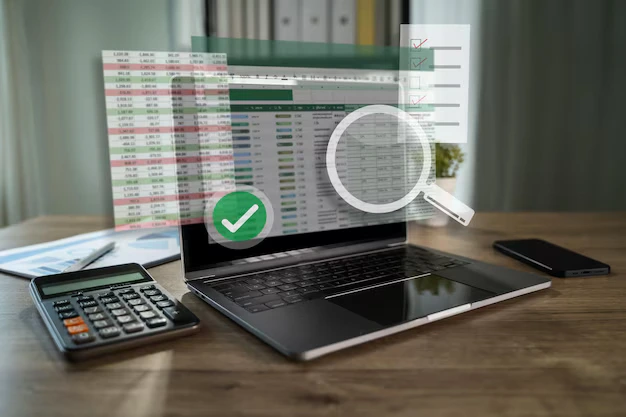

The UAE has introduced new VAT supplier verification requirements under FTA Decision No. 13 of 2026, effective from 1 October 2026.
Businesses must now verify their suppliers and the authenticity of transactions before claiming input VAT, in accordance with the applicable verification rules. These requirements strengthen VAT compliance, reduce tax fraud risks and help businesses maintain accurate records.
For businesses in Dubai and across the UAE, understanding these requirements is essential to protecting their right to recover input VAT.
What Is UAE VAT Supplier Verification 2026?
UAE VAT supplier verification 2026 refers to the due diligence procedures introduced by the Federal Tax Authority (FTA) to confirm that suppliers are legitimate and transactions are genuine before businesses deduct input VAT.
Under FTA Decision No. 13 of 2026, businesses must conduct and document appropriate supplier and transaction checks. Simply holding a valid tax invoice is no longer sufficient on its own to demonstrate compliance with these verification requirements.
These procedures are designed to help businesses identify suspicious transactions, strengthen internal controls and reduce exposure to VAT fraud.
Key Requirements Under FTA Decision No. 13 of 2026
The new rules introduce several important obligations for UAE VAT-registered businesses.
Requirement | What Businesses Must Do |
Supplier identity | Verify company registration or individual identity and authorised representatives. |
Business location | Confirm the supplier has a genuine business location. |
Risk assessment | Review unusual changes in address, management or transaction activity. |
Transaction verification | Check commercial purpose, pricing and authenticity of supplies. |
Payment verification | Confirm commercially justified payment arrangements. |
Documentation | Maintain verification records and a documented internal policy. |
Public Verification | For suppliers exceeding AED 375,000 in transactions over 12 months, review publicly available news, social media, online information and other relevant sources to identify potential reputational or compliance risks. |
For suppliers with transactions exceeding AED 375,000 over a 12-month period, or expected to exceed that amount, additional bank-account confirmation and public reputation checks apply.
These enhanced verification measures help businesses identify potential warning signs, including negative public reports, suspicious business activities, inconsistencies in supplier information or indications of fraudulent transactions.
Businesses should maintain appropriate evidence of their verification activities, including relevant public-source findings, to demonstrate that reasonable due diligence has been performed.
What Is Enhanced Public Verification for High-Value Suppliers?
Enhanced public verification is an additional due diligence measure applicable to suppliers whose transactions exceed, or are expected to exceed, AED 375,000 within a 12-month period.
Under the enhanced verification requirements described in FTA Decision No. 13 of 2026, businesses should assess publicly available information to identify potential risks associated with their suppliers.
This may include:
- Online news reports: Review publicly available news articles for credible reports of fraud, tax violations or other significant compliance concerns involving the supplier.
- Social media presence: Examine relevant publicly accessible business profiles and social media information for inconsistencies or warning signs.
- Company information: Review publicly available business information to confirm that the supplier’s operations and commercial activities appear legitimate.
- Reputation checks: Assess credible public reports that may indicate financial misconduct, fraudulent activity or other material business risks.
- Recordkeeping: Maintain appropriate documentation of the public verification process and any relevant findings.
For example, a Dubai trading company purchasing goods worth AED 450,000 from a supplier over a 12-month period should conduct the applicable enhanced verification checks, including reviewing relevant publicly available information and confirming appropriate banking details.
These procedures can help businesses make informed purchasing decisions and strengthen their VAT compliance controls.
Are There Any Exemptions?
Yes. The FTA provides a limited exception for smaller transactions.
- Below AED 10,000: Verification measures under the Decision may be disregarded for an individual taxable supply.
- AED 100,000 supplier threshold: The exception does not apply if total supplies from that supplier exceed, or are expected to exceed, AED 100,000 within 12 months.
These thresholds exclude VAT where specified, and the exception does not remove other applicable VAT recovery requirements.
Businesses should monitor their supplier transactions carefully to determine whether an exemption remains applicable.
How Do These Rules Affect Input VAT Recovery in UAE?
Businesses claiming input VAT recovery UAE must demonstrate that appropriate supplier verification and VAT due diligence UAE procedures have been completed.
Failure to conduct necessary checks can increase the risk of input VAT being denied, particularly where a transaction is connected to tax evasion and the business knew or should reasonably have known about that connection.
For example, a Dubai trading company purchasing goods from an unverified supplier should investigate the supplier’s registration, commercial activities, transaction documents and payment arrangements before claiming input VAT.
Where the supplier exceeds the AED 375,000 threshold, the company should also perform the applicable enhanced verification procedures, including reviewing publicly available news, social media information and relevant reputational indicators.
If a supplier’s registration details are inconsistent, its business location cannot be confirmed, its payment arrangements appear unusual or credible public information raises compliance concerns, the purchasing business should investigate these warning signs and document its findings.
Proper verification also helps businesses prepare for a potential VAT audit UAE.
How Can UAE Businesses Stay Compliant?
To strengthen VAT compliance Dubai, businesses should implement practical supplier verification procedures.
- Verify suppliers: Check registration documents, identity, authorised representatives and business location.
- Review transactions: Confirm invoices, commercial purpose, pricing and supporting evidence.
- Maintain records: Document verification results and retain supporting documents.
- Update procedures: Establish an internal supplier verification policy with clear responsibilities.
- Monitor supplier activity: Identify unusual changes in supplier information, payment arrangements or transaction patterns.
- Conduct public verification: For suppliers exceeding the applicable AED 375,000 threshold, review relevant publicly available news, social media information and other credible sources.
- Seek professional support: Work with experienced VAT consultants in Dubai to identify compliance gaps.
Supplier verification is required when first dealing with a supplier and again where the supplier has not been verified during the preceding 12 months. Each taxable supply subject to the rules must also be assessed.
Businesses should ensure their accounting, procurement and finance teams understand these requirements and follow consistent verification procedures.
Why Is Supplier Due Diligence Important for UAE Businesses?
Supplier due diligence is an important part of effective VAT risk management.
A structured verification process can help businesses:
- Reduce exposure to fraudulent or suspicious suppliers.
- Support legitimate input VAT recovery claims.
- Identify inconsistencies in supplier and transaction records.
- Detect potential reputational or compliance risks through public verification.
- Improve financial reporting and internal controls.
- Maintain documentation for FTA compliance reviews.
- Reduce the risk of tax adjustments and potential penalties.
For businesses handling multiple suppliers or high-value transactions, maintaining consistent due diligence procedures can significantly improve compliance management.
Conclusion
The UAE VAT supplier verification 2026 rules represent an important change in how businesses manage input VAT recovery.
By verifying suppliers, reviewing transactions, conducting enhanced public verification where applicable and maintaining appropriate documentation, UAE businesses can reduce compliance risks and strengthen their readiness for FTA reviews.
Companies should review their existing supplier onboarding processes, update internal VAT compliance policies and ensure that relevant employees understand the applicable verification requirements.
A proactive approach to supplier due diligence can help protect legitimate VAT recovery claims and support long-term tax compliance.
Need Help With UAE VAT Supplier Verification?
At Bens Chartered Accountants (Bens CA), we help businesses across Dubai and the UAE strengthen VAT compliance, review supplier verification procedures and manage input VAT recovery requirements.
Our experienced team provides practical VAT advisory services to help businesses maintain accurate documentation, implement effective internal controls and prepare for FTA compliance reviews.
Whether you operate a startup, SME, trading company or established corporate business, Bens CA can support your VAT compliance needs.
Contact Bens CA Today
Website: https://bensauditors.com
Phone: +971 4 443 3612
Email: info@bensauditors.com
Office: Office No. 708, Oxford Tower, Business Bay, Dubai, UAE
Strengthen Supplier Verification. Protect Input VAT Recovery. Stay Compliant.
Frequently Asked Questions (FAQs)
1. When did UAE VAT supplier verification rules take effect?
FTA Decision No. 13 of 2026 became effective on 1 October 2026.
2. Is supplier verification mandatory in the UAE?
Yes. Taxable persons must follow the applicable supplier and supply verification requirements before deducting input VAT, subject to the Decision’s exceptions.
3. What is public verification under UAE VAT supplier verification rules?
Public verification involves reviewing relevant publicly available information, including news reports, social media and other credible sources, to identify potential supplier risks. Enhanced verification applies to suppliers whose transactions exceed, or are expected to exceed, AED 375,000 within a 12-month period.
4. How often should UAE businesses verify suppliers?
Suppliers must be verified when first engaged and reverified if they have not been verified within the previous 12 months. Businesses should also review relevant transactions and investigate unusual supplier activity.
5. Can VAT consultants in Dubai help with supplier verification?
Yes. VAT consultants can assist businesses with supplier due diligence, public verification procedures, compliance documentation, internal policies, input VAT recovery assessments and VAT audit preparation.

